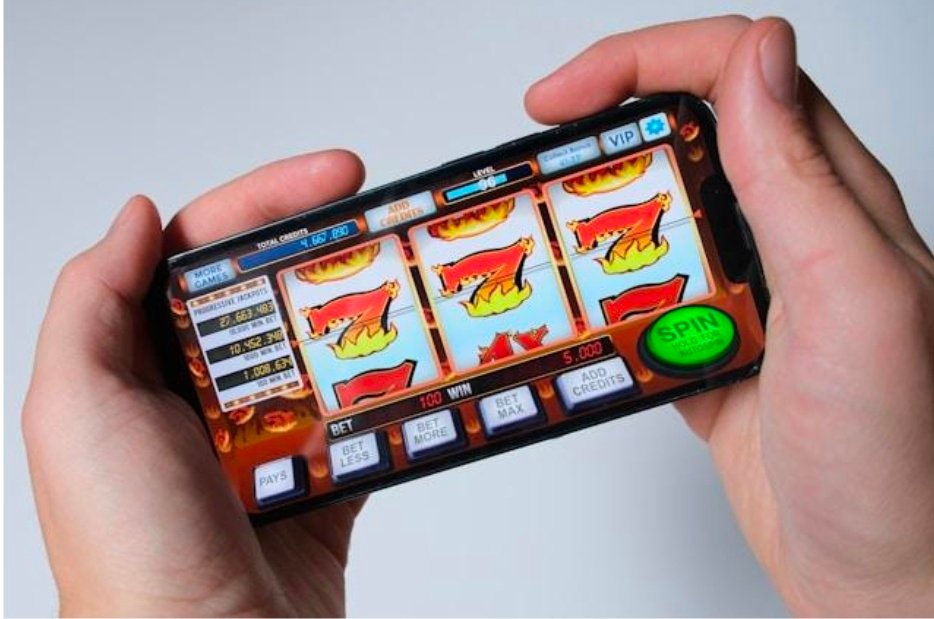
Modern slot games barely resemble the machines many players grew up watching in casinos or portrayed on the Silver Screen. The change happened gradually at first, then all at once. Mechanical reels gave way to digital screens.
Simple symbols have become animated worlds filled with movement, sound, and layered interactions that feel closer to modern console or PC gaming than to traditional casino floors.
Technology now influences nearly every part of the slot experience, from mobile access to visual presentation and personalized interfaces. The change has been so widespread that most players probably stopped thinking of slots as simple machines a long time ago.
From Mechanical Reels to Digital Slots
Early slot machines were physical in every sense of the word. Metal gears. Pull levers. Reels spinning behind glass panels while players stood shoulder to shoulder inside noisy casino halls with bad carpeting. The experience had a certain retro charm, but also limits. Everything depended on hardware.
That began shifting once electronic systems entered casino gaming. Digital displays replaced mechanical movement, and suddenly, slot experiences became more flexible. More visual. More adaptable. Bonus features appeared. Reel layouts expanded. The machines themselves began to feel less rigid, almost experimental at times.
Online casino platforms accelerated that transformation dramatically.
Modern slot games now exist inside highly responsive digital environments where the old physical restrictions no longer apply. A single game can contain cinematic transitions, animated story elements, layered reel structures and evolving sound design, Things mechanical slots could never accommodate. The technology opened space for creativity but also permanently changed player expectations.
Those expectations matter more than people sometimes realize. Players who spend time with modern gaming, streaming platforms, or mobile entertainment now expect responsiveness almost instinctively. Slots evolved within that same digital culture. They didn’t develop separately from it, and it shows.
Visual and Audio Technology in Slots
The visual side of slot gaming changed more than almost anything else. Earlier formats relied on repetition. Familiar symbols. Minimal movement. Bright lights, maybe a few sound effects layered over spinning reels. Functional, but limited.
Now the presentation often feels cinematic. Modern slot environments use high-definition graphics, animated transitions, shifting backgrounds, character sequences, and entire visual ecosystems designed to maintain attention and atmosphere. Some games barely resemble traditional slots at first glance. They feel closer to interactive entertainment experiences than classic casino machines.
Audio evolved alongside the visuals, though it tends to receive less attention in conversation. Soundtracks now adjust dynamically during gameplay. Bonus rounds trigger dramatic audio shifts. Environmental sound cues subtly guide player focus without most people consciously noticing. This is the defining feature of modern slots.
That combination changes immersion entirely, and over time, players adjusted to those standards almost without realizing it. What once felt impressive became expected. Clean graphics. Responsive animations. Cohesive sound design. Modern audiences judge slot platforms against the broader digital entertainment landscape, not just other casino games.
Mobile Technology Is Transforming Slot Access
Mobile technology didn’t just expand access to slots. It changed the rhythm of how people interact with them.
Desktop platforms once defined online casino gaming. Players sat down intentionally at a computer, logged into a platform, and played within fairly fixed settings. Smartphones dissolved that structure quietly but completely. Now access is almost continuous, built into the same devices people already use for streaming, messaging, gaming, and everything else.
Touchscreen functionality helped more than many expected early on. Swiping through menus, activating bonus rounds with taps, and navigating games through gestures, the interaction feels more fluid on mobile than older desktop interfaces ever did. More natural somehow.
Dedicated casino applications further enhanced the experience. Loading times improved. Layouts adapted across devices. Full-slot experiences moved to tablets and phones without feeling stripped down or compromised. Players no longer needed to choose between convenience and presentation quality. That distinction faded over time.
Mobile gaming changed leisure habits far beyond casino platforms. Slots evolved alongside broader entertainment practices already in place everywhere else.
Artificial Intelligence Influencing Slot Platforms
Artificial intelligence now sits quietly inside much of the modern digital experience, including online casino environments. Most players probably interact with AI-supported systems constantly without consciously thinking about it.
Recommendation engines shape what games appear first. Interfaces adapt based on browsing behavior. Navigation becomes smoother over time as platforms respond to interaction patterns in the background. It’s subtle. That’s partly why it works.
The influence extends beyond recommendations as well. Adaptive layouts, faster-loading systems, and responsive interface adjustments are increasingly supported by artificial intelligence, which is shaping how digital casino environments function on a practical level. The goal usually isn’t a dramatic transformation. More often, it’s about reducing friction and making platforms feel seamless enough that players stop noticing the infrastructure entirely.
Streaming platforms operate similarly now. So do mobile apps and gaming ecosystems generally. Digital entertainment increasingly revolves around personalization and responsiveness, and online casino environments evolved within that same technological space.
In some ways, AI’s biggest impact may be psychological rather than visual. Platforms feel smoother. More intuitive. Less of an effort to navigate. People notice that even when they can’t explain exactly why.
Emerging Technology and Slot Innovation
The next phase of slot gaming already feels visible, even if parts of it still sit slightly beyond mainstream adoption. Virtual reality. Augmented overlays. Gamified progression systems. The language around digital entertainment keeps shifting toward immersion and participation rather than passive interaction.
Virtual reality slot environments remain one of the clearest examples. The idea isn’t simply spinning reels through a headset. It’s entering a fully constructed digital casino space where movement, atmosphere, and interaction blend into something much closer to experiential entertainment.
Augmented reality moves differently. Instead of replacing physical surroundings entirely, AR layers digital content onto existing environments. That could eventually shape how players interact with casino content in more flexible ways.
Gamification has already arrived in quieter forms. Progress systems. Achievements. Interactive missions threaded through gameplay. Modern players increasingly expect entertainment to respond to participation rather than repeat itself endlessly.
And honestly, that expectation probably won’t disappear.
Slots No Longer Exist in Isolation
Slot gaming now exists inside a much larger digital entertainment ecosystem than it once did. The influence of streaming culture, mobile technology, gaming design, and interactive media appears almost everywhere once you start noticing the overlaps.
What stands out most isn’t any single technological breakthrough. It’s the accumulation of them. Small shifts layered over years until the entire experience feels fundamentally different from the machines people once associated with casino floors. Players gradually adapted to greater immersion, accessibility, and responsiveness.
Now those qualities feel standard, and the technology shaping them continues moving forward, whether players actively think about it or not.