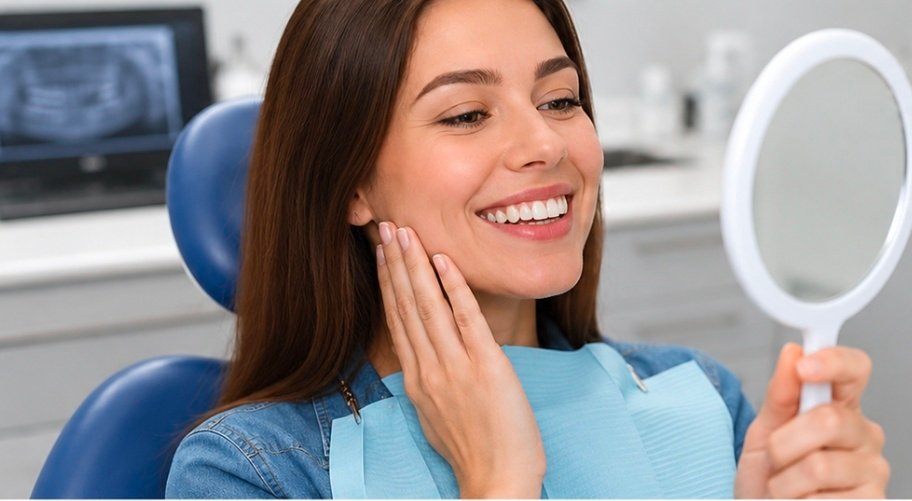
Cosmetic dentistry has become increasingly popular among people looking to improve the appearance of their smile. From professional whitening to veneers and clear aligners, modern treatments offer a range of options. However, before committing to any procedure, it is important to understand how cosmetic treatments work, what results are realistic, and how to choose the right approach for your dental health.
Some people want to lighten staining before a wedding or important event. Others are thinking about chipped edges, gaps, crowded teeth, missing teeth or older dental work that no longer feels right.
Whatever the reason, the best decisions usually start before the treatment itself. A good result depends on your oral health, the type of change you want, the time you can commit, and how realistic the plan is for your teeth.
Start With The Health Of Your Teeth And Gums
Before thinking about shade charts or smile designs, a dentist should check the basics. Tooth decay, gum inflammation, sensitivity, bite problems and worn fillings can all affect whether a cosmetic treatment is suitable.
This matters because cosmetic work sits on top of your existing dental health. Whitening may not be sensible if there is untreated sensitivity. Bonding or veneers may not last well if the bite is placing too much pressure on certain teeth. Clear aligners need healthy gums and good daily cleaning habits.
A consultation is not only about what looks good. It is also about whether the foundation is strong enough for the result to last.
Understand What Different Treatments Actually Do
Cosmetic dentistry is often spoken about as one broad category, but the treatments solve different problems. Teeth whitening can brighten natural tooth enamel, but it will not change the colour of crowns, veneers or old fillings. Composite bonding can reshape small chips, close minor gaps and improve uneven edges, although it may need polishing or repair over time.
Veneers can change the visible front surface of teeth and may suit more noticeable shape or colour concerns. Clear aligners are different again, as they gradually move teeth rather than covering them. Crowns, implants, inlays and onlays often have a restorative purpose as well as an aesthetic one, especially when teeth are damaged or missing.
A qualified cosmetic dentist in Bristol can assess whether the primary concern is tooth colour, alignment, missing teeth, worn edges, or a combination of factors. Understanding the root issue often helps patients choose the most appropriate treatment rather than focusing on a single procedure.
Be Realistic About The Result You Want
A natural-looking smile is not always the brightest or most uniform one. Tooth shape, gum line, face shape and existing dental work all influence what will look balanced. What suits one person may look too sharp, too white or too artificial on someone else.
It is worth taking reference photos to a consultation, but they should be treated as a starting point rather than a fixed demand. A dentist can explain what is realistic, what may require several stages, and what could involve more maintenance than expected.
The aim should be a smile that feels healthier, fresher and more confident without ignoring how your teeth function day to day.
Think About Comfort, Timing And Maintenance
Some cosmetic treatments are quick, while others need patience. Whitening can involve custom trays and gradual shade changes. Aligners require regular wear and follow-up appointments. Bonding may be completed quickly, but it still needs sensible aftercare. Veneers, crowns and implants usually involve more planning and several visits.
If you are nervous about dental care, mention this early. A calm explanation of each stage can make the process easier to manage. Many people feel more comfortable once they know what will happen, how long it may take and what sensations to expect.
It is also practical to think locally. Appointment times, travel, parking and follow-up visits matter more than people realise, especially when treatment takes place over several weeks or months.
Ask About Costs Before You Commit
Cosmetic dental treatments are usually private, so the cost can vary depending on the treatment type, materials, complexity and number of appointments. A written plan helps you understand what is included and what may cost extra later.
Useful questions include whether reviews are included, how repairs are handled, whether whitening trays or retainers are part of the fee, and what maintenance may be needed in future. If finance is offered, check the repayment terms carefully and make sure the monthly amount feels manageable.
A lower price is not always better if it means rushed planning, unclear aftercare or limited follow-up. With dental work, value is often linked to careful assessment and long-term support.
Check Safety And Professional Standards
Cosmetic dentistry should still be dentistry. That means treatment should be carried out or supervised by appropriately registered dental professionals, with proper checks before anything begins.
This is especially important with whitening. Strong whitening products can irritate gums and increase sensitivity if they are used incorrectly. A dental setting allows your teeth and gums to be assessed first, which is safer than choosing quick fixes from non-dental providers.
You can also look for clear explanations, realistic before-and-after examples, transparent fees and a consultation style that does not pressure you into making a fast decision.
Plan For Life After Treatment
Cosmetic treatment is not a one-off purchase that stays perfect without care. Whitening results can fade with coffee, tea, red wine, smoking and general staining. Bonding can chip if you bite nails, chew pens or use teeth as tools. Aligners usually need retainers afterwards to keep teeth in position.
Regular check-ups, hygienist visits and daily cleaning make a noticeable difference to how long results last. Good aftercare also protects the money and time you have invested.
Final Thoughts
Cosmetic dentistry can be a worthwhile investment when approached with realistic expectations and a focus on long-term oral health. Taking time to understand your options, ask questions, and seek professional advice can help you achieve results that look natural, feel comfortable, and last for years to come.
Frequently Asked Questions
How long does teeth whitening last?
Results vary, but many people maintain their whitening results for six months to two years with good oral hygiene and lifestyle habits.
Is cosmetic dentistry painful?
Most cosmetic procedures involve minimal discomfort, though experiences vary depending on the treatment.
Can cosmetic dentistry improve oral health?
Some treatments, such as crowns, implants, and orthodontics, can provide both aesthetic and functional benefits.