Introduction
Wildlife management often sounds like a distant government responsibility handled by national agencies or scientific institutions. Yet in many countries, the real decisions about animals and ecosystems happen much closer to local communities. In Norway, this responsibility is largely carried out by a municipal committee known as viltnemnda. The term might appear unfamiliar to readers outside Scandinavia, but it represents an important approach to balancing wildlife conservation, hunting traditions, and community interests.
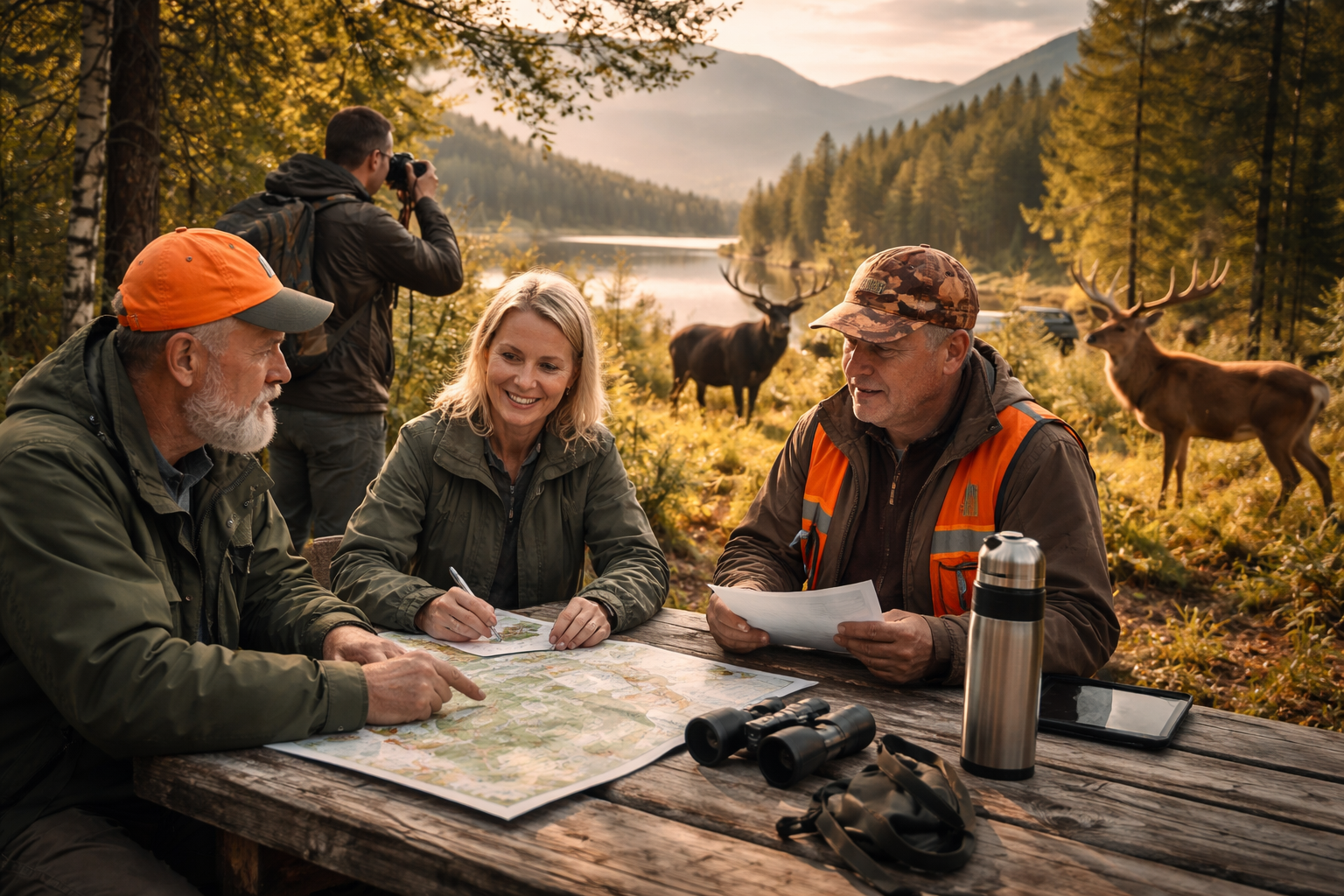
The viltnemnda plays a central role in Norway’s system of local environmental governance. These committees operate within municipalities and focus on managing wildlife populations such as moose, deer, and other native species. They work with landowners, hunters, conservation authorities, and residents to ensure that wildlife populations remain healthy while minimizing conflicts with agriculture, traffic, and human settlements.
Understanding how the viltnemnda functions offers valuable insight into how local governance can successfully support conservation. It demonstrates that effective wildlife management often depends not just on national policies, but also on people who understand the landscapes, species, and communities involved. This article explores the origins, responsibilities, structure, and broader importance of viltnemnda, showing how this unique system contributes to sustainable wildlife stewardship in Norway.
Will You Check This Article:FSI Blogs US: America’s Insight-Driven Content Platform
Understanding the Concept of Viltnemnda
The word viltnemnda comes from Norwegian. It combines two terms: vilt, meaning wild game or wildlife, and nemnda, meaning committee or board. Together, the phrase refers to a municipal wildlife committee responsible for local wildlife management decisions.
Local Governance of Wildlife
Unlike centralized wildlife management systems, Norway’s approach emphasizes local participation. Each municipality can establish a viltnemnda to oversee wildlife-related issues within its geographic area. These committees serve as advisory and decision-making bodies that help translate national wildlife laws into practical actions at the local level.
Because they operate within the community, members of a viltnemnda often possess firsthand knowledge of local ecosystems. They may be farmers, landowners, hunters, environmental advocates, or individuals with ecological expertise. This diversity allows the committee to consider multiple perspectives when managing wildlife populations.
Local involvement is particularly important in rural regions where wildlife interacts frequently with human activity. Large animals such as moose or deer can affect crops, forests, and road safety. A committee familiar with these local realities can respond quickly and responsibly.
Why the System Matters
The concept behind viltnemnda reflects a broader philosophy: wildlife management works best when communities participate directly. National authorities provide legal frameworks and scientific guidance, but local committees interpret those guidelines in ways that match the specific conditions of their region.
For example, the population of deer in one municipality might require stricter hunting quotas, while another region may focus more on habitat conservation. Through the viltnemnda, these decisions can be tailored to local needs while still respecting national conservation goals.
The Historical Development of Viltnemnda in Norway
To understand the significance of viltnemnda, it helps to look at the historical context in which the system developed.
Early Wildlife Governance
Historically, wildlife in Norway was closely tied to hunting traditions and rural livelihoods. Communities depended on animals such as moose, reindeer, and small game for food and resources. However, by the early twentieth century, concerns about declining wildlife populations began to grow.
National authorities introduced laws regulating hunting seasons and species protection. These regulations aimed to prevent overhunting and preserve biodiversity. Yet enforcing such laws across Norway’s vast forests and mountainous terrain proved challenging.
The Shift Toward Local Committees
To improve management and enforcement, Norway gradually introduced local wildlife committees within municipalities. These groups later became known as viltnemnda. The idea was simple but effective: give communities a structured role in managing wildlife.
Local committees could monitor animal populations, communicate with residents, and ensure that hunting rules were followed. They also acted as intermediaries between national environmental authorities and local landowners.
Over time, this decentralized approach proved highly effective. Wildlife populations stabilized or recovered in many regions, while communities remained actively involved in conservation efforts.
Structure and Organization of a Viltnemnda
Although each municipality may organize its wildlife committee slightly differently, the general structure of viltnemnda follows a consistent framework.
Composition of the Committee
Members of a viltnemnda are typically appointed by the municipal council. The number of members can vary, but the committee usually includes several individuals with relevant experience or local knowledge.
These members often represent different sectors of the community, including:
- Landowners and farmers
- Hunters and outdoor organizations
- Environmental advocates
- Local government representatives
This balanced composition ensures that wildlife decisions consider ecological, social, and economic factors.
Roles and Responsibilities
The viltnemnda serves as both an advisory and regulatory body. Its members meet regularly to discuss wildlife management issues within the municipality. They analyze information from field observations, hunting reports, and ecological studies to guide their decisions.
The committee may also collaborate with regional environmental authorities. This cooperation helps align local actions with broader conservation strategies.
Because members live within the community, they often receive direct feedback from residents. This open communication helps address concerns quickly and transparently.
Key Responsibilities of Viltnemnda
The duties of viltnemnda extend across several areas of wildlife management. These responsibilities ensure that animal populations remain healthy while maintaining harmony between humans and nature.
Monitoring Wildlife Populations
One of the most important tasks of the committee is observing local wildlife trends. Members evaluate population data for species such as moose, red deer, and roe deer. These observations help determine whether populations are stable, growing, or declining.
Accurate monitoring allows the committee to adjust management strategies. If populations grow too quickly, they can cause ecological imbalance or damage crops and forests. Conversely, if numbers decline, stronger conservation measures may be necessary.
Regulating Hunting Activities
Hunting remains an important cultural and economic activity in Norway. The viltnemnda plays a key role in regulating hunting within the municipality.
The committee may recommend hunting quotas, allocate permits, and help define local hunting zones. These decisions aim to maintain sustainable population levels while respecting traditional practices.
By carefully balancing conservation and hunting, the committee helps ensure that wildlife resources remain available for future generations.
Addressing Human–Wildlife Conflicts
Interactions between humans and wildlife can sometimes create challenges. Large animals may wander onto roads, increasing the risk of vehicle collisions. Others may damage agricultural crops or forestry plantations.
The viltnemnda works with residents, farmers, and authorities to address these issues. Possible solutions might include adjusting hunting quotas, improving road signage, or implementing habitat management strategies that redirect wildlife away from populated areas.
Collaboration with National Wildlife Authorities
Although viltnemnda operates locally, it does not function in isolation. The committee works closely with regional and national environmental authorities responsible for wildlife conservation.
Sharing Data and Expertise
Local committees often collect valuable information about wildlife populations. These insights are shared with national agencies responsible for broader ecological monitoring.
At the same time, national authorities provide scientific research, policy guidance, and legal frameworks. This two-way exchange of information helps create a comprehensive wildlife management system.
Implementing National Policies Locally
National wildlife legislation establishes rules for hunting seasons, species protection, and habitat conservation. The viltnemnda helps implement these policies at the municipal level.
Because committee members understand the local landscape and community dynamics, they can adapt policies to suit regional conditions while remaining consistent with national law.
This cooperative model strengthens the effectiveness of wildlife governance across the country.
Real-World Example of Viltnemnda in Action
Consider a municipality with a rapidly increasing moose population. Farmers may report crop damage, while motorists notice more animals crossing highways. These concerns prompt the viltnemnda to investigate.
The committee reviews wildlife surveys and hunting data. After consulting with regional authorities and local hunting organizations, they recommend increasing the hunting quota for the next season.
This decision reduces the population growth rate while maintaining ecological balance. At the same time, hunters benefit from expanded opportunities, and farmers experience fewer losses.
Such examples demonstrate how local committees can respond quickly and effectively to changing environmental conditions.
The Broader Importance of Viltnemnda
Beyond managing wildlife populations, the viltnemnda model represents a broader philosophy of environmental stewardship.
Encouraging Community Participation
By involving residents directly in wildlife management, the system fosters a sense of responsibility for nature. People are more likely to support conservation policies when they feel included in the decision-making process.
This local engagement strengthens trust between communities and government institutions.
Supporting Sustainable Ecosystems
Healthy ecosystems depend on balanced wildlife populations. Through monitoring, regulation, and collaboration, the viltnemnda contributes to maintaining this balance.
The committee’s work helps protect biodiversity while ensuring that human activities such as farming, forestry, and transportation can coexist with wildlife.
A Model for Other Countries
Many nations struggle to balance conservation goals with local economic interests. The Norwegian viltnemnda system offers a practical example of how decentralized governance can support both environmental protection and community involvement.
Other regions exploring community-based wildlife management may find valuable lessons in this approach.
Conclusion
The viltnemnda represents an innovative and practical model of wildlife governance rooted in local participation. By empowering municipal committees to oversee wildlife management, Norway has created a system that balances conservation goals with the needs of communities.
These committees monitor wildlife populations, regulate hunting activities, address human–wildlife conflicts, and collaborate with national authorities. Their work ensures that species such as moose and deer remain healthy while minimizing environmental and economic challenges.
More importantly, the viltnemnda demonstrates that sustainable wildlife management depends on cooperation between governments and communities. When local knowledge and national policy work together, ecosystems can thrive and societies can maintain a lasting connection with nature.
For countries seeking effective conservation strategies, Norway’s experience with viltnemnda offers a powerful reminder: environmental stewardship is strongest when communities are directly involved.
Frequently Asked Questions (FAQs)
1. What does viltnemnda mean?
Viltnemnda is a Norwegian term for a municipal wildlife management committee. It is responsible for overseeing local wildlife issues, including population monitoring and hunting regulation.
2. Who serves on a viltnemnda committee?
Members are usually appointed by the municipal council and may include landowners, hunters, environmental advocates, and community representatives with knowledge of local ecosystems.
3. What animals does viltnemnda manage?
The committee typically manages wild game species such as moose, red deer, and roe deer. Responsibilities may also include broader wildlife management concerns within the municipality.
4. How does viltnemnda help prevent wildlife conflicts?
The committee monitors animal populations and works with residents to address issues such as crop damage or road accidents involving wildlife.
5. Why is local wildlife management important?
Local management allows decisions to reflect the unique ecological and social conditions of each region, making conservation strategies more effective and responsive.